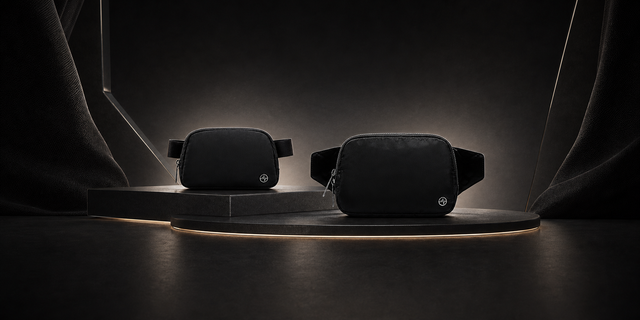
Quick answer: Choose a belt bag for phone-wallet-keys simplicity, a crossbody sling bag for more pockets and fast access, or a backpack when you need room for a laptop, water bottle or extra layer. The right everyday bag is the smallest option that comfortably holds what you actually carry.
This guide compares belt bags, crossbody bags and backpacks by capacity, comfort, organization and travel use. Use the table first, then read the detailed recommendations for errands, commuting, flights and outdoor days.
Belt bag vs. crossbody vs. backpack at a glance
| Bag type | Best for | Typical load | Main advantage |
|---|---|---|---|
| Belt bag | Errands, walks, festivals and light travel | Phone, wallet, keys, cards and small extras | Compact, light and hands-free |
| Crossbody sling bag | Daily carry, sightseeing and organized travel | Essentials plus passport, sunglasses and power bank | Easy access with more separation |
| Backpack | Commuting, school, flights and longer outings | Laptop, bottle, charger, notebook and extra layer | Higher capacity with two-strap support |
Choose a belt bag for a light everyday load
A belt bag is the most compact choice when you want to leave a larger purse or backpack at home. It keeps small essentials close and can usually be worn at the waist, across the chest or over one shoulder.
For simple daily carry, the Pander Everywhere Belt Bag 1L provides a wide-opening main compartment, interior mesh pockets and a secure back pocket. If separate storage matters more than minimal size, the Pander 6-Pocket Crossbody Belt Bag adds multiple compartments for sorting small items.
A belt bag is a strong choice when:
- You carry only a phone, slim wallet, keys and a few personal items.
- You want a hands-free bag for errands, dog walks, events or sightseeing.
- You prefer a bag that stays close to the body in crowded places.
- You plan to place the small bag inside a larger carry-on during a flight.
Choose a crossbody sling bag for access and organization
A crossbody sling bag sits between a belt bag and a backpack. It remains compact, but its extra pockets make it easier to separate a passport, cards, charging cable, sunglasses and other frequently used items.
The Pander Tactical Crossbody Sling Bag measures approximately 9 × 2.1 × 5.5 inches and includes multiple pockets, a key leash and an adjustable strap. For a softer everyday shape with organized storage, compare the Pander Everyday Crossbody Sling Bag.
A crossbody sling is a strong choice when:
- Your essentials no longer fit comfortably in a 1L belt bag.
- You want quick front-of-body access without removing the bag.
- You need separate pockets but do not need laptop storage.
- You want one bag for commuting, city travel and casual outdoor use.
Choose a backpack for work, tech and longer days
A backpack is the practical option when your daily load includes a laptop, notebook, water bottle, headphones or spare clothing. Two shoulder straps also distribute a heavier load more evenly than a single crossbody strap.
The Pander 22L Everyday Commuter Backpack includes organized storage, a tech sleeve and a luggage sleeve for commuting and travel. A backpack is also the better starting point for longer outdoor outings when you need room for safety supplies.
The U.S. National Park Service recommends carrying the Ten Essentials for park outings. Your exact packing list should match the activity, weather and destination; a bag is only one part of responsible trip preparation.
How to choose the right everyday bag
1. Lay out what you carry
Place your normal essentials on a table before comparing bags. If the list ends at phone, wallet and keys, start with a belt bag. Add a passport, sunglasses, charger or small notebook and a crossbody sling may be more comfortable. Add a laptop, bottle or jacket and move to a backpack.
2. Choose organization before extra space
A larger empty compartment is not always more useful. Pockets, dividers and a key leash reduce searching and help keep frequently used items accessible. Choose enough organization for your routine without adding compartments you will not use.
3. Check the strap range and wearing position
An adjustable strap should let the bag sit close to your body without restricting movement. For crossbody wear, position the bag where you can reach the zipper naturally. If you carry more weight, switch shoulders periodically or choose a two-strap backpack.
4. Match the material to the weather
Water-resistant fabric can help with light rain and everyday splashes, but water-resistant does not mean waterproof. Do not submerge the bag, and protect electronics or documents with an additional waterproof pouch when conditions require it.
5. Plan for airport screening
Keep travel documents and permitted small essentials organized, but check current rules before packing. The official TSA “What Can I Bring?” directory provides item-by-item guidance for carry-on and checked baggage. Airline size and personal-item rules can differ, so verify those separately with your carrier.
Best bag by situation
- Quick errands: a 1L belt bag keeps the load simple.
- City sightseeing: a crossbody sling balances access and organization.
- Daily commute: choose a sling for essentials or a backpack for a laptop and bottle.
- Air travel: use a compact bag as an organizer inside your airline-compliant personal item.
- Outdoor day: select capacity based on the route, weather, water and safety supplies you need.
Frequently asked questions
Are belt bags and fanny packs the same?
In everyday shopping language, the terms often overlap. “Belt bag” usually emphasizes a streamlined style, while “fanny pack” describes the same waist-worn function. Many modern designs can also be worn crossbody.
Is a belt bag or crossbody bag better for travel?
A belt bag is better for a very small travel load. A crossbody bag is better when you need separate pockets for a passport, phone, wallet, sunglasses and charger. Choose the smallest size that holds those items without overfilling.
Can a sling bag replace a backpack?
Yes, when you do not need to carry a laptop, large bottle, clothing layer or substantial supplies. For heavier or bulkier loads, a backpack provides more capacity and distributes weight across two shoulders.
How should a crossbody bag fit?
It should sit close enough to feel stable while leaving room to move and breathe comfortably. Adjust it so you can reach the main zipper without straining and so the strap does not rub the neck.
Is a water-resistant bag waterproof?
No. Water-resistant fabric can help with light moisture, but seams and zippers may still allow water inside. Use extra protection for electronics and important documents in heavy rain.
What size bag is best for everyday use?
For phone-wallet-keys carry, start near 1L. Choose a larger crossbody sling when you add several small accessories, and use a backpack when your routine includes a laptop, bottle or extra clothing.
Find your everyday carry
The best bag is the one that fits your real routine without unnecessary bulk. Explore Pander everyday bags, compare the linked styles above and choose the capacity, organization and strap design that match how you move.